10 Must-Have Tools Every Influencer Needs
The best tools for influencers to create content, find sponsors, grow followers, and manage social media like a pro.

Quick answers
You can start pitching with as few as 200 consistent downloads per episode. Brands working on flat-rate or affiliate models care more about audience engagement and niche fit than raw download numbers. CPM-based sponsors typically require 5,000+ downloads per episode.
The industry average is $25 CPM (cost per 1,000 downloads). Rates range from $15-$25 for pre-roll ads to $30-$50+ for mid-roll placements. Niche podcasts in business or finance command $40-$70 CPM. A podcast with 10,000 downloads per episode earns $250-$500 per ad slot.
Pitch brands directly for the highest rates and full revenue control. Use a sponsor search tool to find brands in your niche, research competitors sponsored episodes for brand leads, and join podcast ad marketplaces like Podcorn for additional deal flow.
Pre-roll ads play before the episode ($15-$25 CPM), mid-roll ads play during the episode ($30-$50+ CPM and highest engagement), and post-roll ads play after the episode (lowest rates due to listener drop-off). Host-read ads outperform produced ads because listeners trust the hosts voice.
You don’t need a massive audience to get podcast sponsors. You need an engaged one. Brands are spending $2.6 billion on podcast advertising in 2026 — and the fastest-growing segment is niche shows with loyal listeners, not top-100 charts.
$2.6B
projected US podcast ad revenue in 2026
$25
average CPM across the podcast industry
158M
Americans who listen to podcasts monthly
200+
downloads per episode to start pitching sponsors
Podcast sponsorship CPM by show size
CPM (per 1,000 downloads)
0$ to 65$
Monthly downloads
Micro (0-5K)
18$Small (5K-25K)
28$Mid-tier (25K-100K)
40$Major (100K+)
55$Source: Industry benchmarks from podcast advertising platforms, 2025-2026
CPM means cost per 1,000 downloads within the first 30 days of an episode’s release. A podcast with 10,000 downloads per episode and a $25 CPM earns $250 per ad slot. Stack two or three ads per episode and the math changes fast.
$15-25
CPM
15-30s before the episode. Lower rate, lowest effort.
$30-50+
CPM
60-90s during the episode. Highest engagement and pay.
$10-15
CPM
After the episode. Lowest rates — most listeners drop off.
Host-read ads outperform produced ads because listeners trust the host’s voice. Niche podcasts in business and finance command $40-$70 CPM — significantly above the $25 average. For the full pricing framework across platforms, see how much to charge for a brand deal.
Brands evaluate your show before replying to your pitch. These six elements signal you’re ready for business.
Sponsor-Ready Podcast Checklist
Consistent episode schedule
Weekly or biweekly. Sponsors need predictable ad inventory.
Download data (last 30 days)
Average downloads per episode within 30 days of release.
Audience demographics
Age, gender, location, interests from your hosting platform.
Media kit with rate card
Pre-roll, mid-roll, and bundle pricing. Brands expect options.
Professional audio quality
Clean recordings, no background noise. Brands audit episodes.
Clear niche positioning
”Personal finance for freelancers” — not “we talk about stuff.”
Step 01
Direct outreach gives you full control and zero commission. Research 10-15 brands whose products your audience uses. Find the Influencer Marketing Manager on LinkedIn. Send your media kit with download data, audience demographics, and 2-3 ad concepts tailored to their product.
Step 02
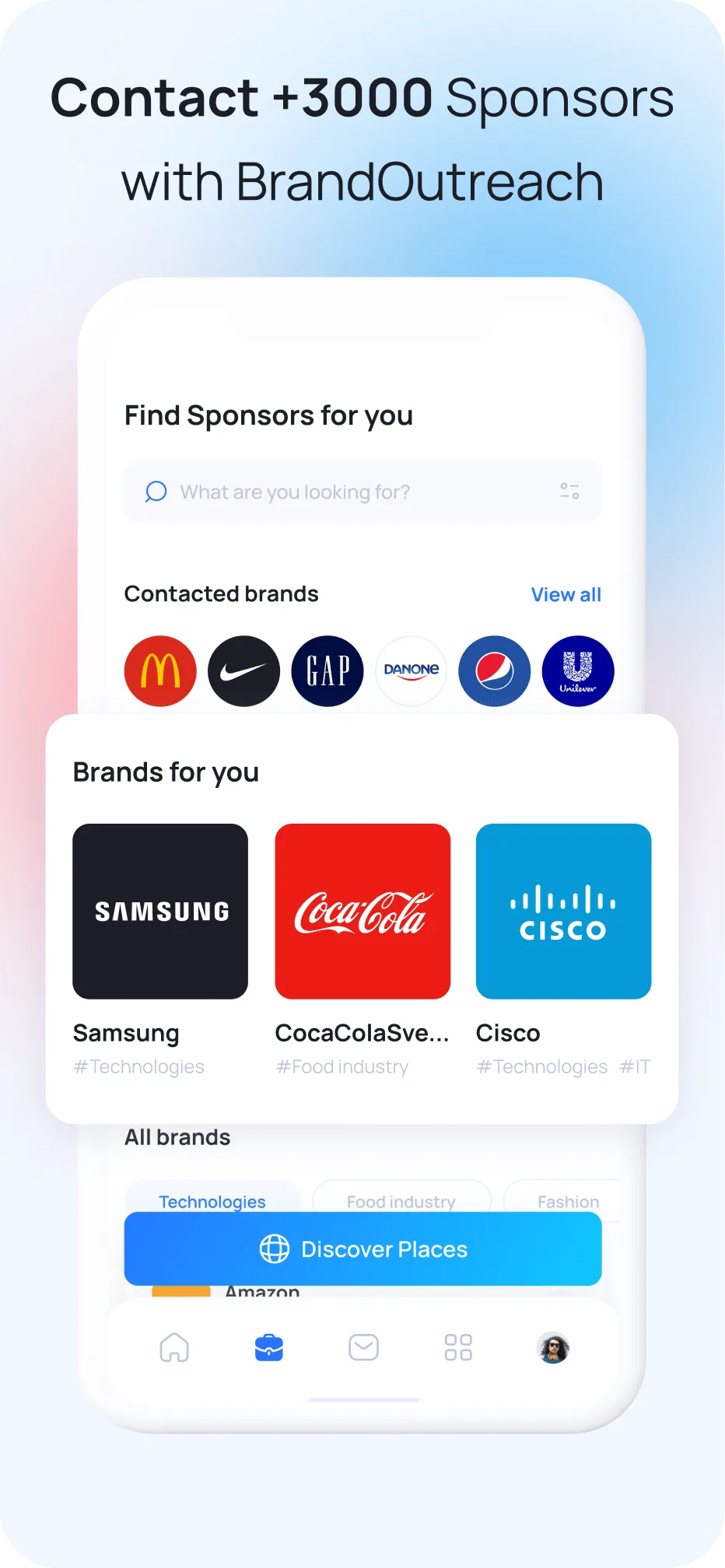
MySocial's sponsor search lets you browse 10,000+ verified brands, filter by industry and location, get decision-maker contacts, and pitch directly — keeping 100% of your revenue. This cuts research time from hours to minutes.
Step 03
Listen to the first 5 minutes and mid-roll of 10 podcasts in your niche. Note every brand mentioned. Those brands are actively spending on podcast ads in your category. Pitch them with a differentiated angle — explain what your audience offers that the competitor's doesn't.
Step 04
Platforms like Podcorn, Acast, and Podbean connect podcasters with brands running active campaigns. They handle contracts and payments but take 10-30% commission. Good for filling ad inventory alongside direct deals.
Step 05
If you have a YouTube, Instagram, or TikTok audience, bundle your podcast sponsorship with social media promotion. Multi-platform packages command higher rates because brands get more touchpoints. Cross-post episode clips as Shorts and Reels to drive downloads.
Your pitch proves one thing: your listeners are the brand’s customers.
Podcast Sponsor Pitch Framework
Hook — show you know their product
”I’ve used [product] for [timeframe] and mentioned it organically in Episode [#].” Proof of genuine use kills the cold-pitch barrier.
Audience proof — share your data
Downloads per episode, listener demographics, completion rate, and a link to your media kit. Numbers first, story second.
Ad concept — propose 2-3 integration ideas
”A 60-second host-read mid-roll weaving [product] into a discussion about [relevant topic].” Specific concepts signal professionalism.
Rate card — give options, not ultimatums
Include pre-roll, mid-roll, and episode bundle pricing. Brands that see tiered options spend more. Never say “whatever you think is fair.”
Keep it under 150 words. Pitch 5-10 brands simultaneously — you won’t hear back from all of them. For the full email template, see our brand pitching guide.
No download data — 'We get good numbers' tells a brand nothing. Specific downloads per episode within 30 days is the metric that matters
Overloading ads — more than 3 ads per episode erodes listener trust. Sponsors want engaged audiences, not fatigued ones
Irrelevant brand fit — promoting a gaming chair on a parenting podcast damages credibility with both your audience and the sponsor
No rate card — asking sponsors to name their price guarantees a lowball offer. Set your rates based on CPM benchmarks
Inconsistent publishing — a sponsor can't plan campaigns around a show that publishes 'whenever.' Consistency is the baseline
Host-read ads — listeners trust your voice. Host-read ads make up 63% of podcast ads because they convert better than produced spots
Media kit with download data — build one with MySocial's media kit builder so your stats are always current and verifiable
Niche authority — a podcast about 'SaaS marketing for startups' attracts higher-paying sponsors than a general business podcast
Consistent release schedule — sponsors need predictable ad inventory. Weekly releases signal reliability
Past campaign results — share click-through rates, promo code redemptions, or testimonials from previous sponsors
Your media kit turns a cold pitch into a warm conversation. When a brand can see your download data, audience demographics, and rate card in one link, the decision to sponsor becomes straightforward.
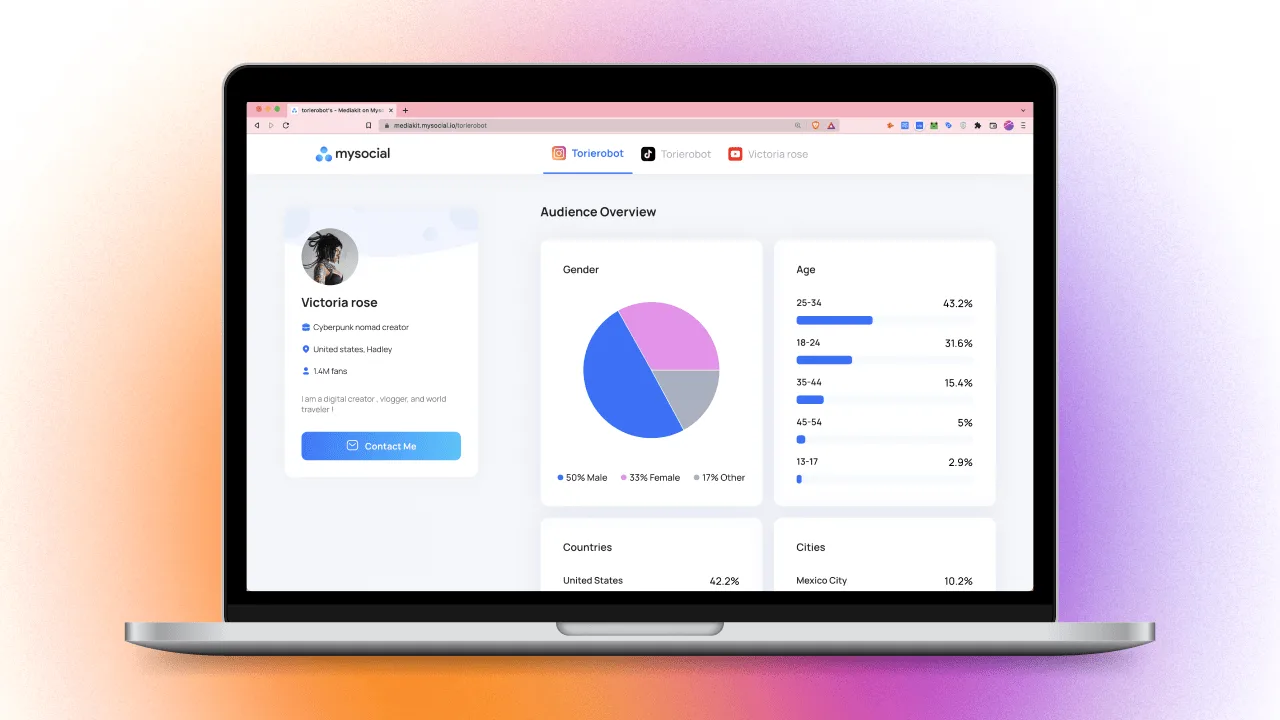
MySocial’s media kit builder creates a shareable link that updates daily. No screenshots, no stale PDFs. For the complete guide, read how to build the ultimate influencer media kit.
Your first sponsor deal is proof of concept. Over-deliver, share campaign results, and propose a multi-episode package at a locked-in rate. Recurring sponsors are where podcast revenue compounds. For more monetization strategies, explore the Creator Monetization & Brand Deals hub.
Search 10,000+ verified brands, get decision-maker contacts, and pitch sponsors directly — keeping 100% of your revenue.
Start finding sponsorsCreator Monetization & Brand Deals
Related Posts
The best tools for influencers to create content, find sponsors, grow followers, and manage social media like a pro.
A step-by-step system for finding and landing social media sponsors. Build your media kit, prospect brands, pitch professionally, and close repeat deals.
Pricing framework for creator sponsorships. Base rates, add-on pricing for usage rights, tiered packages, and negotiation tactics.